Are You Hiring Unlicensed Drone Pilots?
What does it actually mean to fly drones illegally?
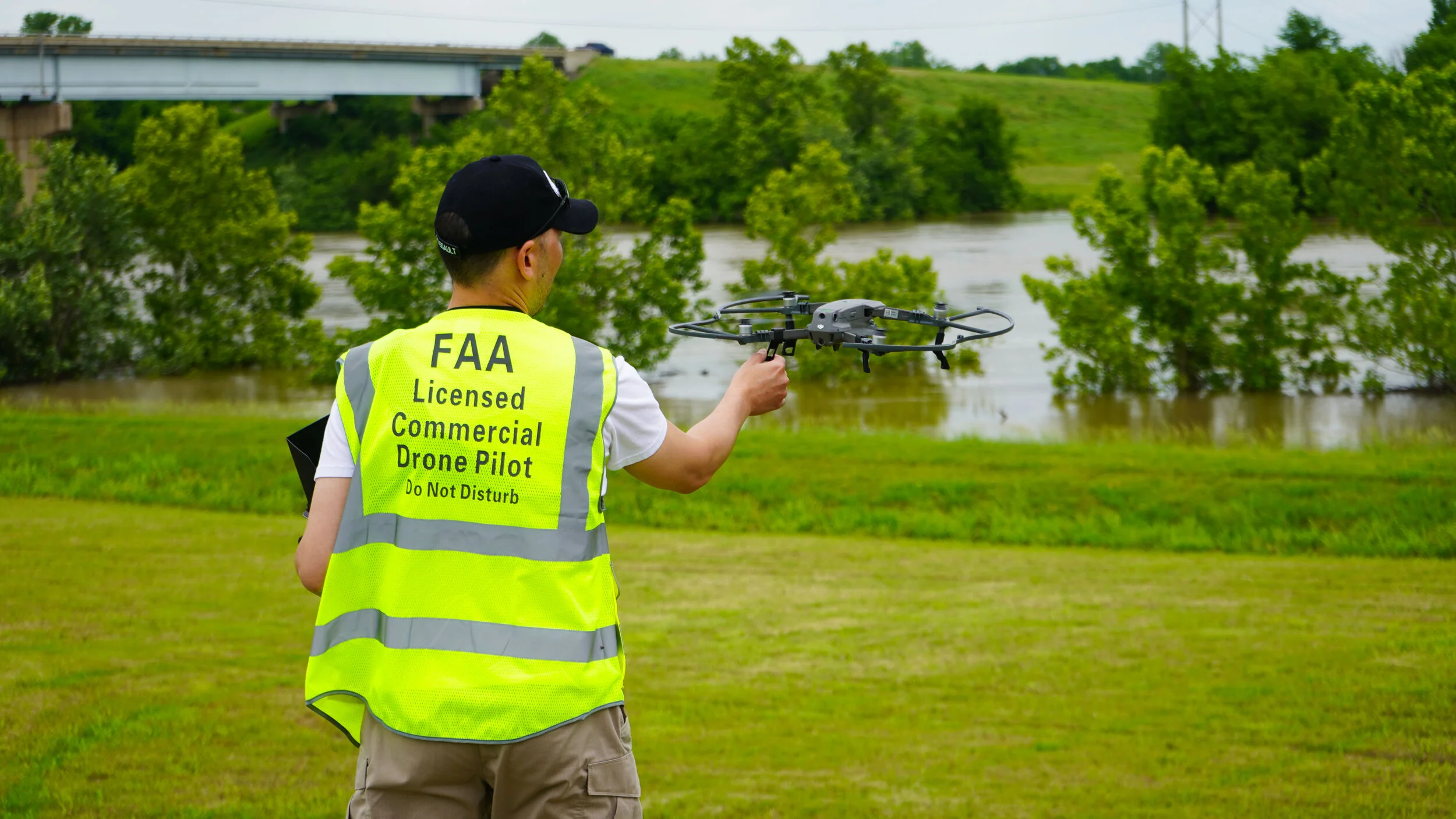
Anyone flying a drone (unmanned aerial vehicle) for commercial purposes — and not under recreation or hobby rules — must obtain a Remote Pilot Certificate from the FAA to be certified to fly under Part 107.
Flying commercial drone operations without certification can result in civil penalties with significant fines for both the pilot and also potentially the business that hired them. In the case of egregious violations, criminal sanctions can be imposed. Fines can exceed $1000 per takeoff with subsequent occurrences substantially increasing those fines.
A startling recent example of the serious impact this can have was a drone pilot from Philadelphia who was fined $182,000 by the FAA for a variety of National Airspace System violations. Yikes!
Why is this a big deal?
The answers require a more detailed explanation in order to understand the big picture. Read on below.
Once a drone leaves the ground, whether recreationally or commercially, it is technically operating within the National Airspace System (NAS), and as such it is considered to be an aircraft by the FAA. This comes with several federal rules and regulations—things you can and can’t do—like shooting down a drone (18 U.S.C. § 32).
Pilots who are Part 107 certified have undergone testing on the various aspects of these regulations. The examination itself covers real-world aviation subject matter—some of which is culled from complex testing materials that airplane and helicopter pilots study and train from.
The Part 107 test requires students to be able to show strong proficiency and understanding of complex airspace charts, weather reports, restricted airspace, and so much more. As a result, most pilots find that the Part 107 exam is more difficult than other typical government tests. In fact, although the passing threshold is fairly generous, most drone operators who are business owners or aspiring to be one, take their proficiency and understanding of the exam, as well as all relevant FAA guidelines very seriously.
In addition to the federally required certification, most Part 107 operators also spend a lot of time learning how to properly fly and handle drones with skill and proficiency. This type of training is generally ongoing since drone technology, education, and regulations tend to change. There are also aerial photography and videography businesses (like us!) that take drone operations to the next level by learning to fly drones from the perspective of a filmmaker and aerial cinematographer.
But, enough with the legal-eeze and lengthy explanation! Hiring professionals who are licensed and certified is the way to go. In doing this, you are ensuring that your project has the best chance for success.
Check out the FAA Drone zone to learn more about flying legally, registering your drones, and submitting requests for airspace authorizations.
![]() David Goddard
David Goddard
Photographer, Videographer, FAA Part 107.29 & TRUST, Cinema Nut & Lover of all things Sushi.